
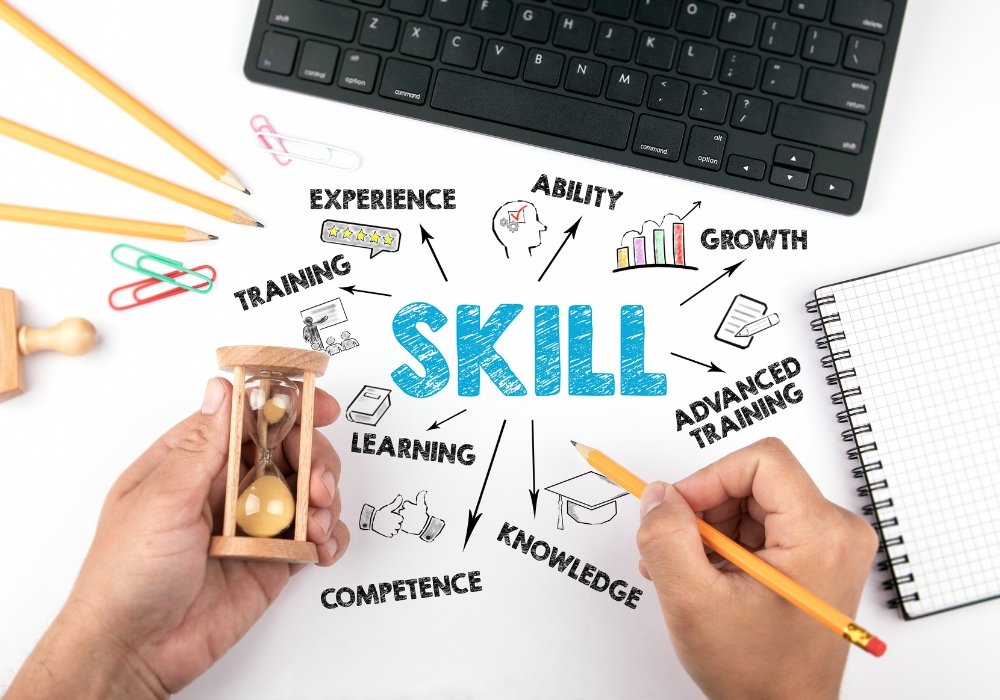
In today’s fast-changing professional world, technical expertise alone is no longer enough. Employers increasingly value how people communicate, collaborate, and adapt. These abilities are known as soft skills, and they play a crucial role in long-term career success.
Whether you are a working professional, a team leader, or someone aiming to grow within your organization, understanding soft skills—and learning how to develop them—can set you apart in a competitive job market.
Soft skills refer to personal attributes and interpersonal abilities that influence how effectively someone interacts with others. Unlike technical or “hard” skills, soft skills are not job-specific. Instead, they shape how you work, communicate, solve problems, and handle challenges.
Examples of essential soft skills include communication, teamwork, adaptability, emotional intelligence, leadership, time management, and problem-solving. These skills apply across industries and roles, making them highly transferable and valuable.
Hard skills are technical abilities learned through education or training, such as coding, accounting, or language proficiency. Soft skills, on the other hand, focus on behavior and mindset.
For example, knowing how to analyze data is a hard skill, but explaining insights clearly to colleagues requires strong soft skills. Both are important, but developing professional skills often determine how well technical knowledge is applied in real-world situations.
Soft skills have become essential in modern workplaces because most jobs require collaboration, clear communication, and adaptability. Even in highly technical roles, professionals must work effectively with teams, manage expectations, and respond to change.
Research highlights the importance of these professional abilities. A study from ResearchGate shows that interpersonal and professional skills significantly impact academic performance and career development, emphasizing that communication, emotional intelligence, and leadership are among the most in-demand capabilities.
Developing strong interpersonal skills helps professionals build trust, resolve conflicts, and foster productive working relationships. These abilities also contribute to more effective decision-making and better leadership performance.
Clear and effective communication is at the core of professional success. This includes speaking confidently, writing clearly, listening actively, and adapting messages to different audiences.
Most professional environments rely on teamwork. The ability to cooperate, respect different perspectives, and contribute positively to group goals is a highly valued soft skill.
Change is constant in today’s workplace. Professionals who adapt quickly, learn new skills, and stay open to change are more resilient and future-ready.
Emotional intelligence involves understanding and managing your own emotions while being aware of others’ feelings. This skill improves leadership, conflict resolution, and workplace relationships.
Employers value individuals who can analyze situations, think critically, and propose practical solutions. These soft skills support innovation and effective decision-making.
Developing professional skills strongly influence promotions, leadership opportunities, and long-term career progression. Professionals with strong interpersonal abilities are often seen as dependable, confident, and capable of managing responsibility.
Many employees reach a point where technical skills alone no longer guarantee advancement. At this stage, developing professional skills become the deciding factor in career growth.
Investing in professional development programs such as a structured soft skill course helps individuals strengthen communication, leadership, and workplace confidence.
In corporate settings, developing professional skills directly affect team performance, productivity, and company culture. Strong communication reduces misunderstandings, while leadership and emotional intelligence improve employee engagement.
Organizations increasingly invest in corporate training programs focused on professional behavior, collaboration, and leadership development. Programs designed for corporate skills development help teams work more effectively and align with business goals.
Yes, developing professional skills can absolutely be learned and improved. While some people may have natural strengths, consistent practice, feedback, and training play a key role in development.
Workshops, coaching sessions, and professional courses offer structured ways to build soft skills. Practical exercises, real-life scenarios, and guided reflection help turn theory into daily habits.
Interpersonal skills are essential. They help you communicate effectively. Developing these abilities can boost career growth. They complement technical skills and make a real difference in career growth and opportunities.
Investing in developing professional skills can boost confidence, improve workplace relationships, and open doors to leadership roles. Whether you’re an individual professional or part of a corporate team, strengthening these skills is a smart step toward long-term success.
Ready to take your soft skills to the next level? Explore our Soft Skills Course to build effective communication, teamwork, and leadership abilities. Start your journey today and see the difference in your career!
 English
  Czech
Czech